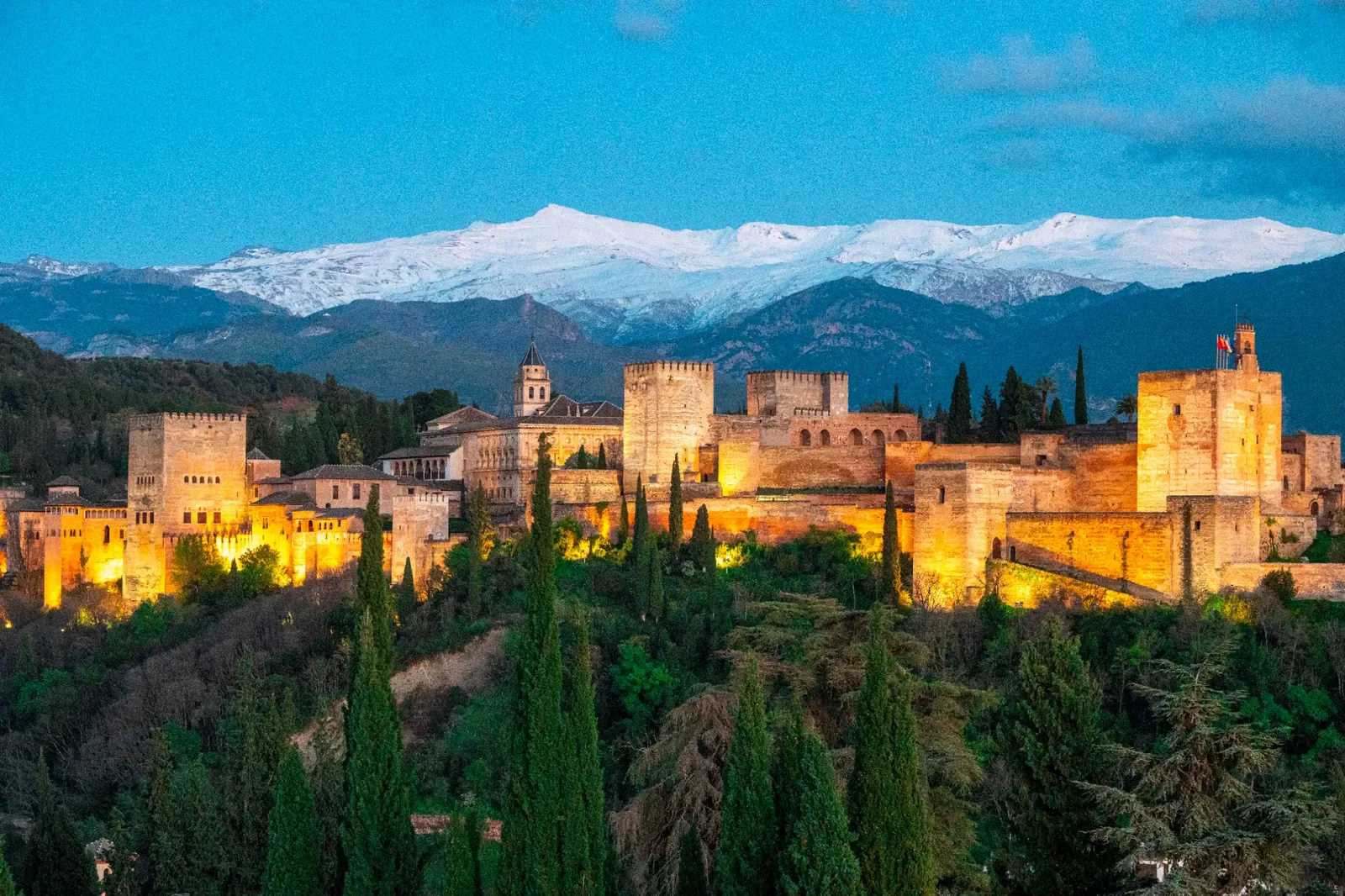
 1
Private tour100% halal
LIVING MAP OF AL-ANDALUS
Barcelona - Zaragoza - Valencia - Murcia - Granada - Seville - Cordoba - Toledo - Madrid

Why Granada matters
Granada was the final capital of the Nasrid kingdom and the last Muslim-ruled state in Iberia. For Muslim travellers, the city brings together political history, Qur’anic and poetic inscriptions, Islamic urbanism, gardens, water, scholarship and the memory of 1492 in a way few places can.
The Alhambra is the centrepiece, but Granada is more than one monument. The Albaicín preserves the scale and street pattern of the old Muslim city, while sites such as El Bañuelo, the Palacio de Dar al-Horra and the Corral del Carbón add smaller, more intimate pieces of the Andalusi story.
Our Granada visits are designed to connect those places into one narrative rather than treating them as isolated photo stops.
Islamic heritage
At the Alhambra and Generalife, the Nasrid palaces reveal how architecture, calligraphy, geometry, water and landscape were brought together at the highest level of Andalusi court culture. Entry to the Nasrid Palaces is timed, so planning ahead matters, especially in busy periods.
Across the Albaicín, the experience becomes more urban and human: narrow lanes, former cisterns, viewpoints, houses and surviving Andalusi monuments help explain the city that existed around the palace. The official Alhambra programme also includes several Andalusi monuments in this historic quarter.
We recommend allowing enough time to walk slowly, pause for views and connect the monuments to the people and institutions that shaped Granada.
Faith-conscious travel
Granada has active Muslim prayer spaces, including the Mezquita Mayor de Granada in the upper Albaicín near the Mirador de San Nicolás, as well as other mosques in the city. We plan the day around prayer rather than treating salah as an interruption.
Halal food is increasingly accessible in Granada. For private journeys we confirm suitable dining in advance and build meal stops into the route, so families are not left searching at the last minute.
For accommodation, the city centre offers easier vehicle access and a practical base for families. The Albaicín is atmospheric and historic, but its steep streets and cobbled lanes can be less convenient for travellers with limited mobility or heavy luggage.
Planning your stay
For most first-time visits, two full days gives a strong introduction: one day centred on the Alhambra and Generalife, and another for the Albaicín, Andalusi monuments, prayer time and the modern city. Three days allows a more reflective pace and room for food, neighbourhoods and a half-day excursion.
Granada also works naturally with Córdoba and Seville for a classic Al-Andalus route. Málaga provides the easiest coastal gateway for many itineraries, while the Alpujarra and Sierra Nevada add mountain landscapes and village culture for travellers who want more than monuments.
For a wider western-Andalusia route, continue to Seville and read the Almohad city alongside Granada. For the wider regional picture, explore our halal travel guide to Andalusia.
Before you go
Read our field notes on the Alhambra and the wider history of Al-Andalus before your journey.
1Barcelona - Zaragoza - Valencia - Murcia - Granada - Seville - Cordoba - Toledo - Madrid
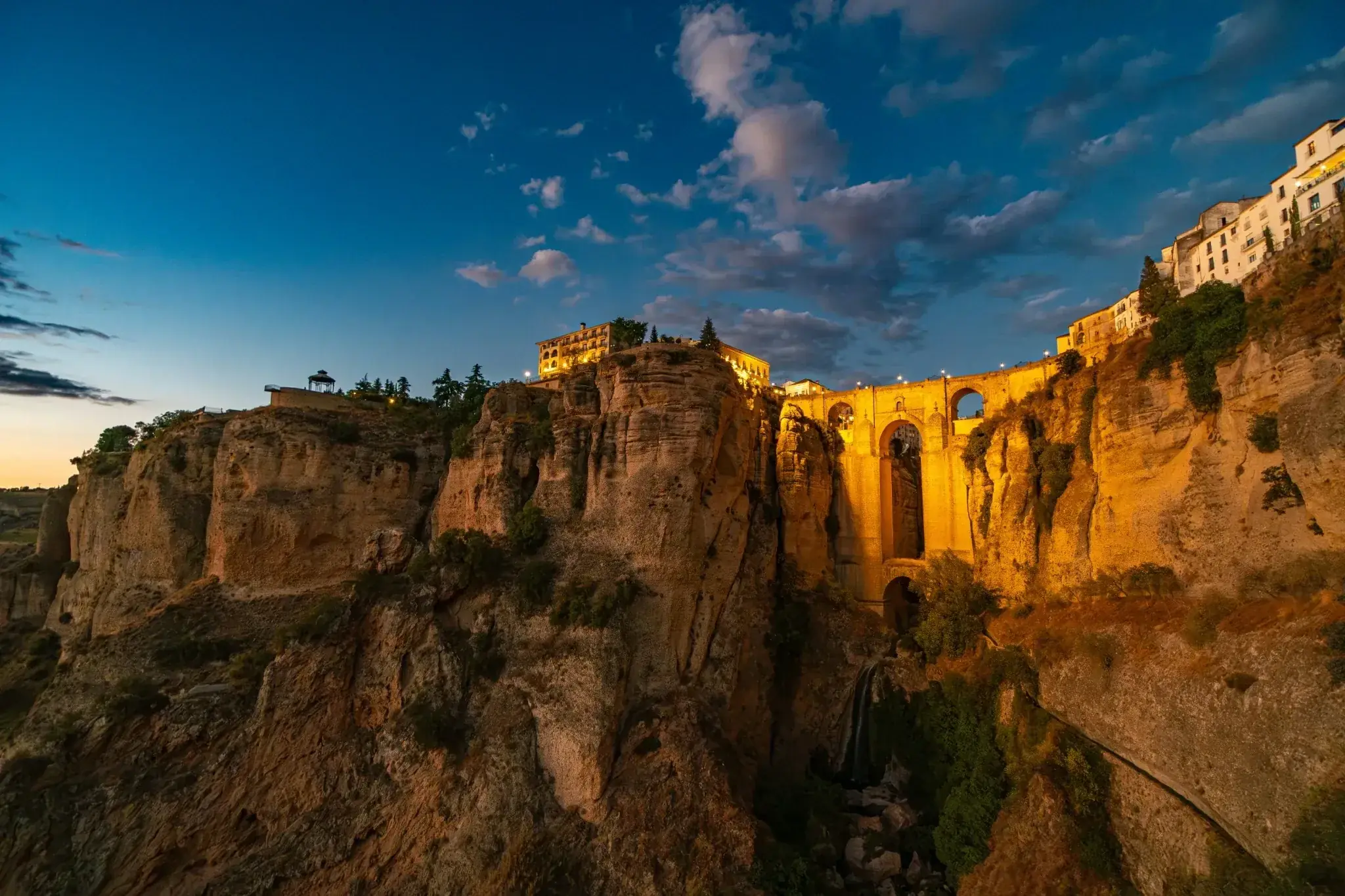 2
Madrid - Cordoba - Seville - Ronda - Malaga - Granada - Toledo - Madrid
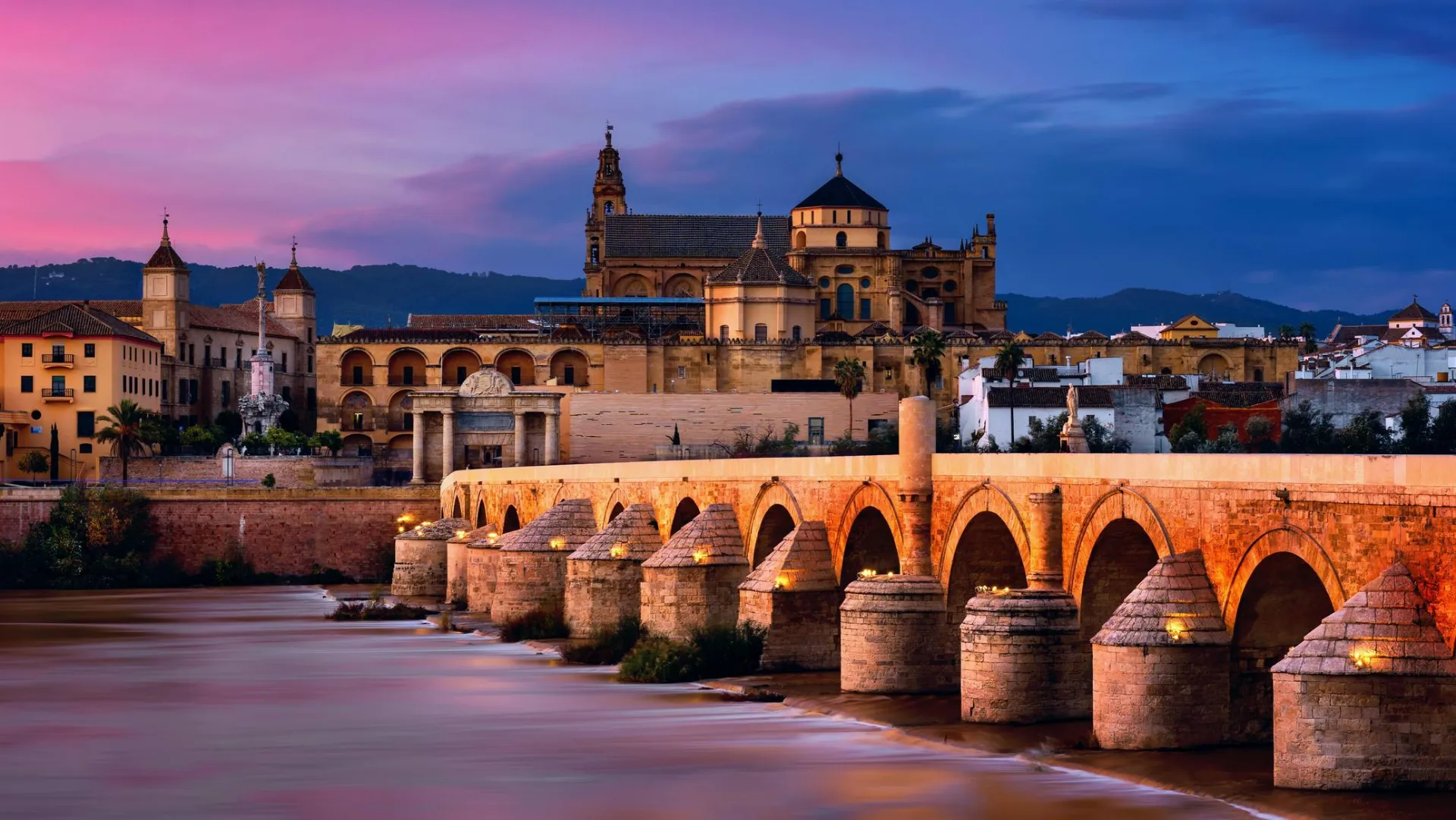 3
Malaga - Granada - Cordoba - Seville - Malaga
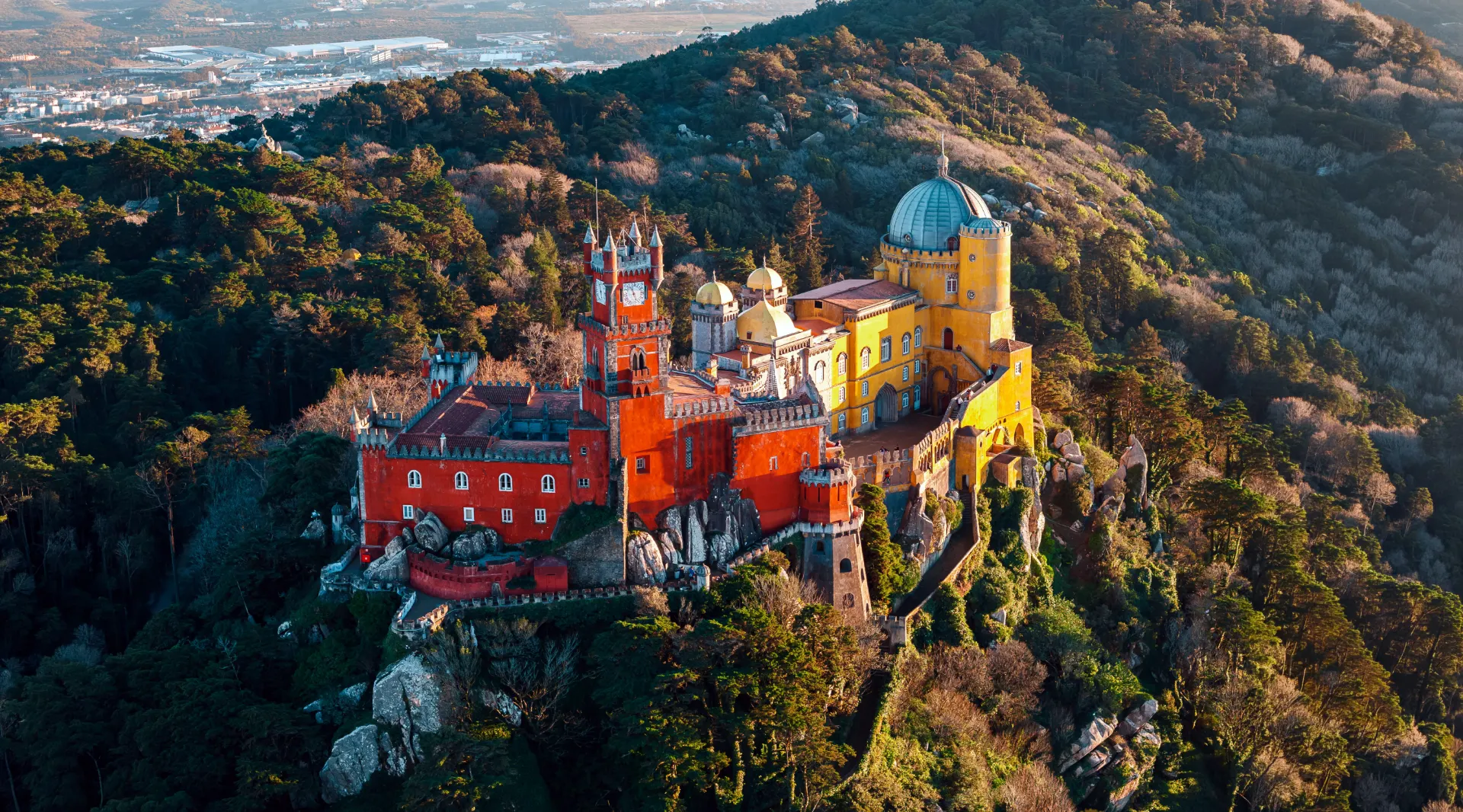 4
Madrid - Toledo - Lisbon - Sintra - Beja - Mertola - Seville - Cordoba - Granada - Madrid
 5
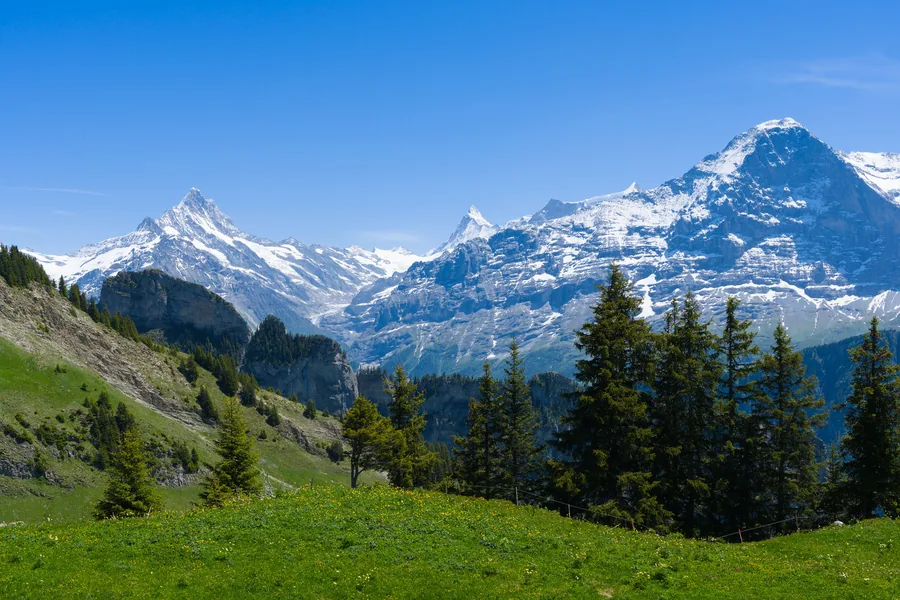
Paris - Brussels - Amsterdam - Cologne - Luxembourg - Colmar - Zurich - Engelberg/Titlis - Lucerne - Lake Como - Milan - Venice - Florence - Rome
 6
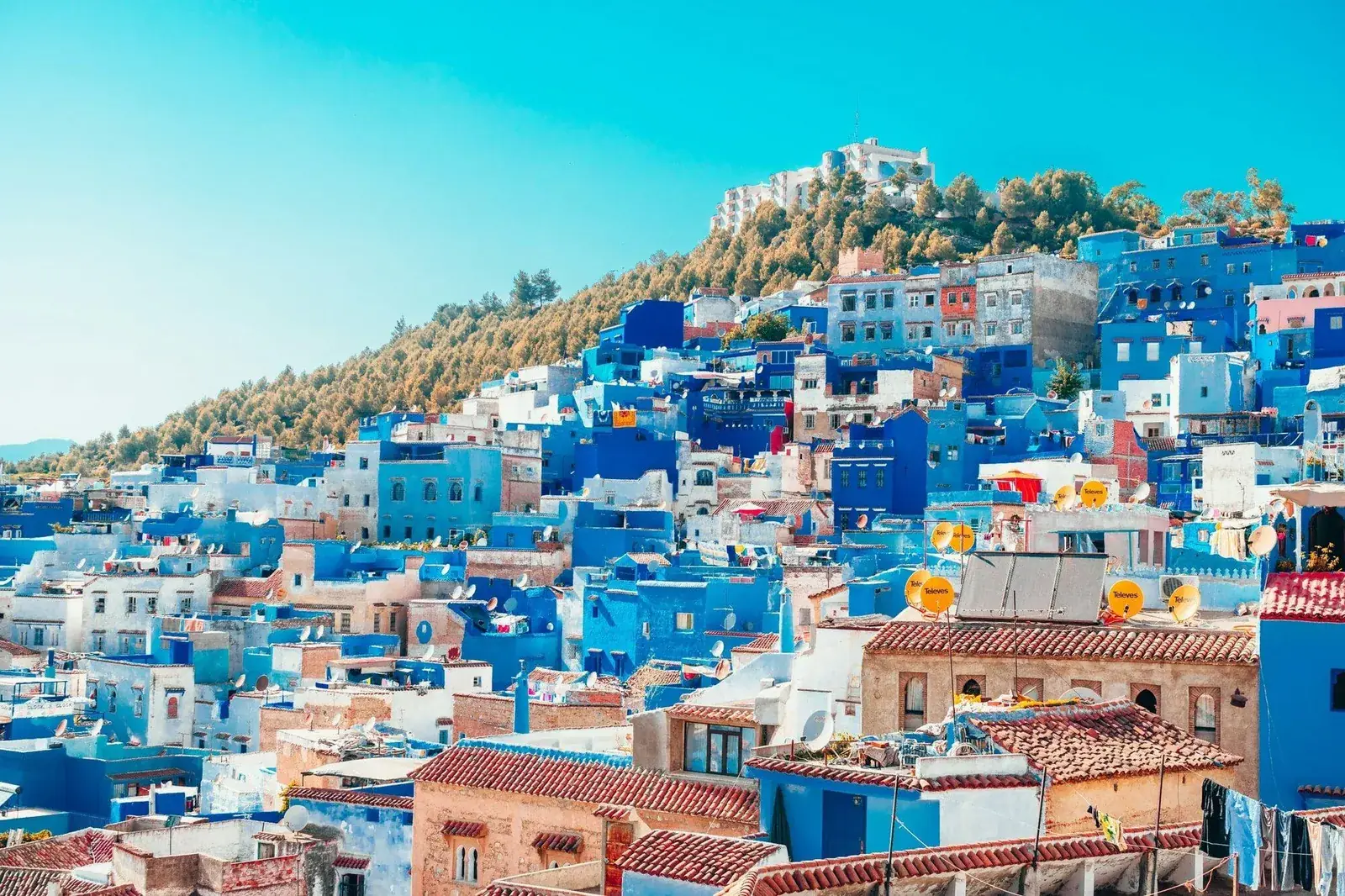
Madrid - Toledo - Granada - Cordoba - Seville - Strait Crossing - Tangier - Chefchaouen - Fez - Rabat - Casablanca - Marrakech
 7
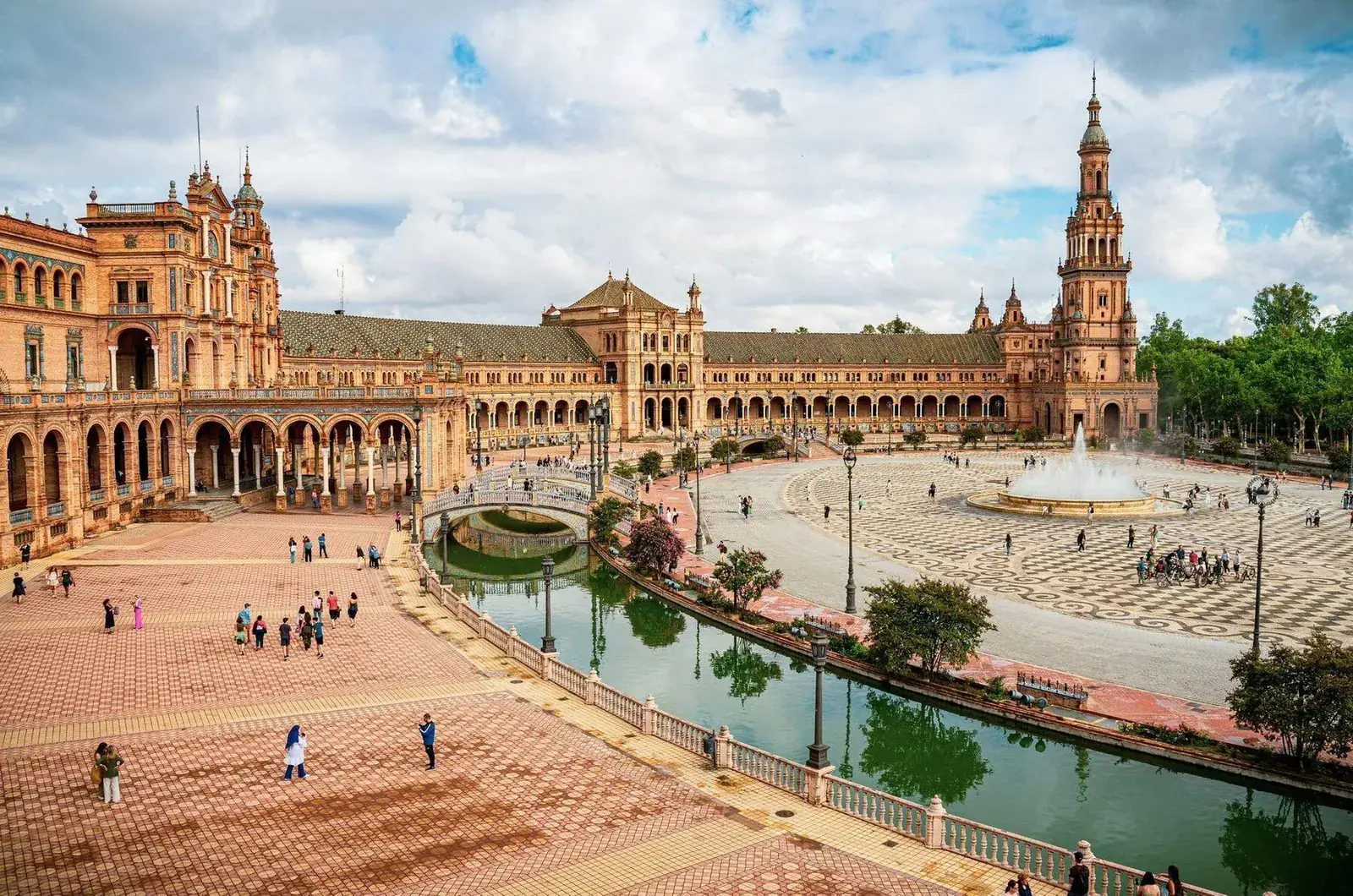
Madrid - Trujillo - Caceres - Badajoz - Merida - Seville - Cordoba - Granada - Madrid
 8
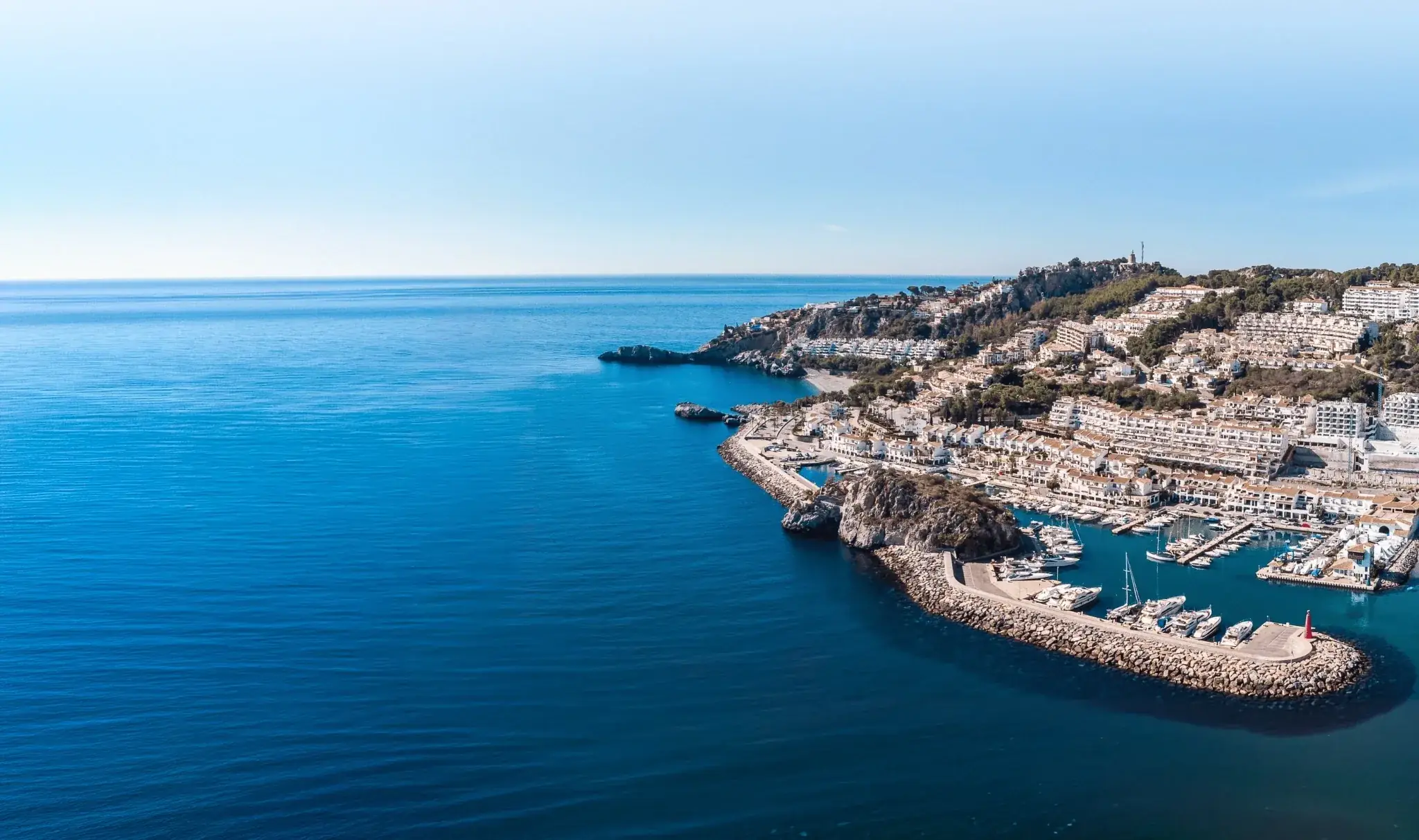
Malaga - Ronda - Cadiz - Medina Sidonia - Jerez - Seville - Cordoba - Granada - Alpujarra - Costa Tropical/Malaga
Tell us what you’d love to discover, and we’ll help plan a private trip around your interests and pace.