 1
Private tour100% halal
LIVING MAP OF AL-ANDALUS
Barcelona - Zaragoza - Valencia - Murcia - Granada - Seville - Cordoba - Toledo - Madrid

Why Andalusia matters
For nearly eight centuries, different parts of the Iberian Peninsula were governed by Muslim dynasties, and the political centre of Al-Andalus shifted over time. Córdoba evokes the Umayyad caliphate, Seville preserves major Almohad layers, and Granada holds the final Nasrid chapter.
That means Andalusia is best understood as a connected historical landscape. Mosques, palaces, gardens, city walls, water systems, Arabic inscriptions and later Mudéjar traditions reveal different periods rather than one single version of “Muslim Spain”.
Our private journeys connect those layers with enough time to understand the story between the monuments, while keeping halal meals, prayer and practical travel needs part of the itinerary from the beginning.
The essential cities
Córdoba is the natural starting point for the Umayyad story: the Great Mosque, the historic centre and the caliphal city of Madinat al-Zahra place the city at the intellectual and political heart of 10th-century Al-Andalus.
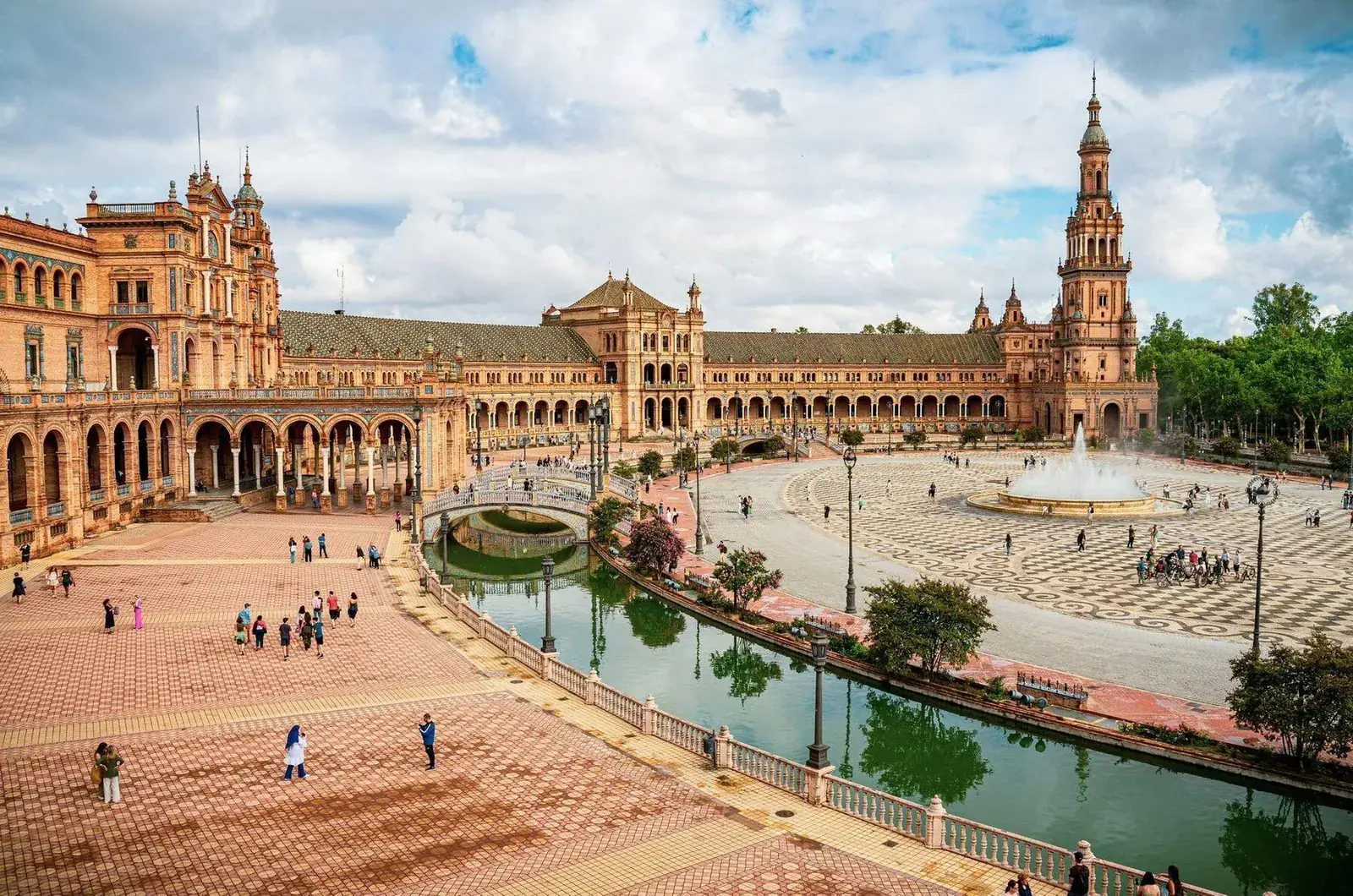
Seville reveals the Almohad period through the Giralda, Alcázar, surviving walls and the Guadalquivir. The city shows how Islamic urban life, royal power and trade were tied to the river.
Granada completes the arc with the Nasrid world of the Alhambra, Generalife and Albaicín. It is where the final Muslim dynasty of Iberia created one of the most complete surviving palatine landscapes of medieval Islam.
Faith-conscious travel
Muslim travel in Andalusia is easier when prayer and meals are planned before the day begins. Halal options are strongest in the major cities but availability changes, so we verify restaurants and suitable prayer spaces around the actual route rather than relying on old lists.
Historic Islamic monuments are not automatically active mosques. We distinguish heritage sites from current prayer spaces and build salah stops around the programme, especially on long sightseeing days and during intercity transfers.
Private transport is especially valuable when combining Granada, Córdoba and Seville. It allows flexible departure times, luggage handling, hotel-to-hotel travel and stops that would be awkward on a fixed public-transport schedule.
Planning your journey
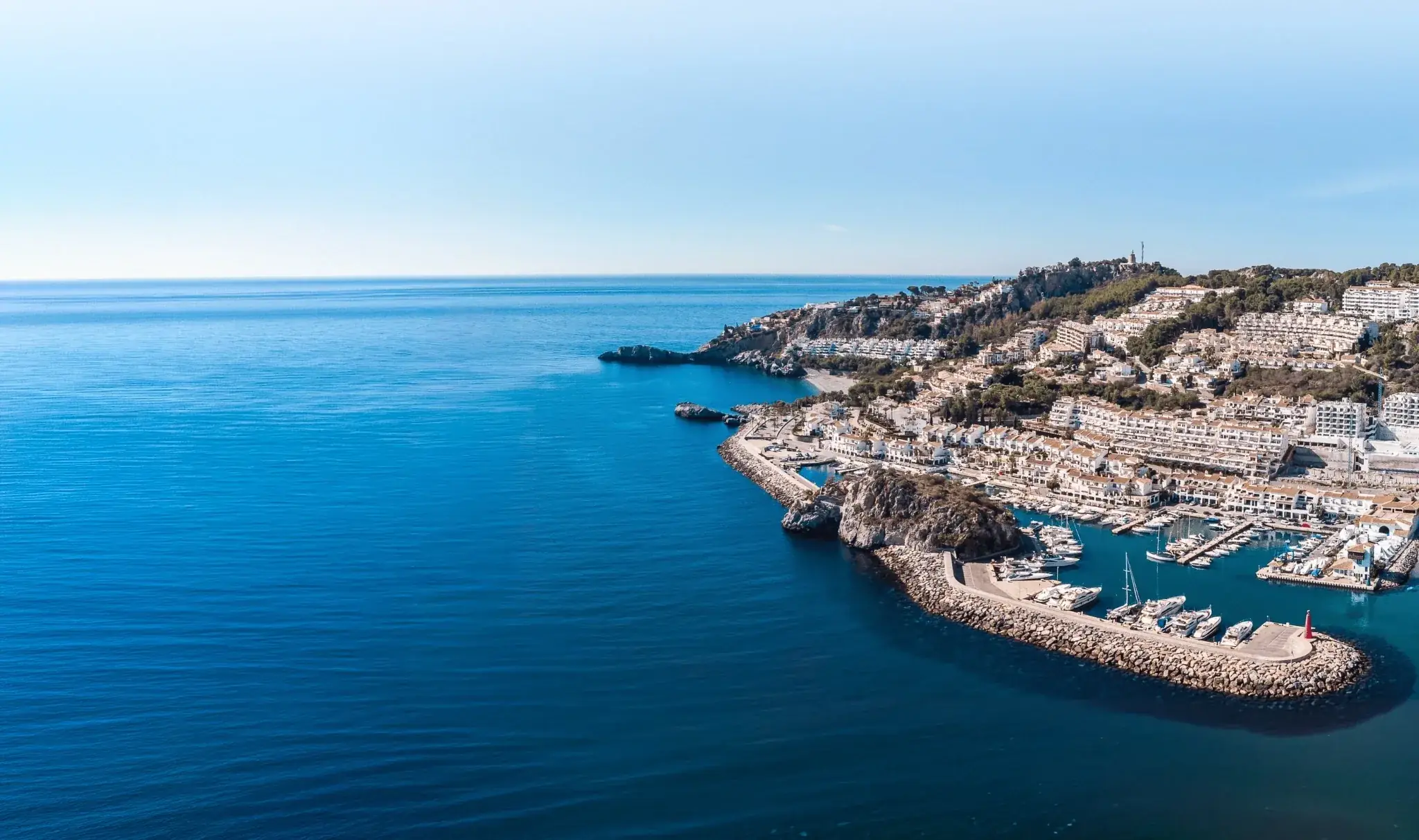
Five to seven days can cover the three essential cities at a meaningful pace. Eight to ten days gives the journey room to breathe and makes it easier to add smaller historic towns, mountain landscapes, the Atlantic side of Andalusia or the Mediterranean coast without turning every day into a transfer day.
For a first Muslim heritage journey, we usually prioritise Granada, Córdoba and Seville before adding secondary stops. Repeat visitors can go deeper into western Al-Andalus, the smaller medinas and the landscapes that connect the famous capitals.
Before you go
Our journal explains the wider story of Al-Andalus and the practical details of Muslim travel in Spain.
1Barcelona - Zaragoza - Valencia - Murcia - Granada - Seville - Cordoba - Toledo - Madrid
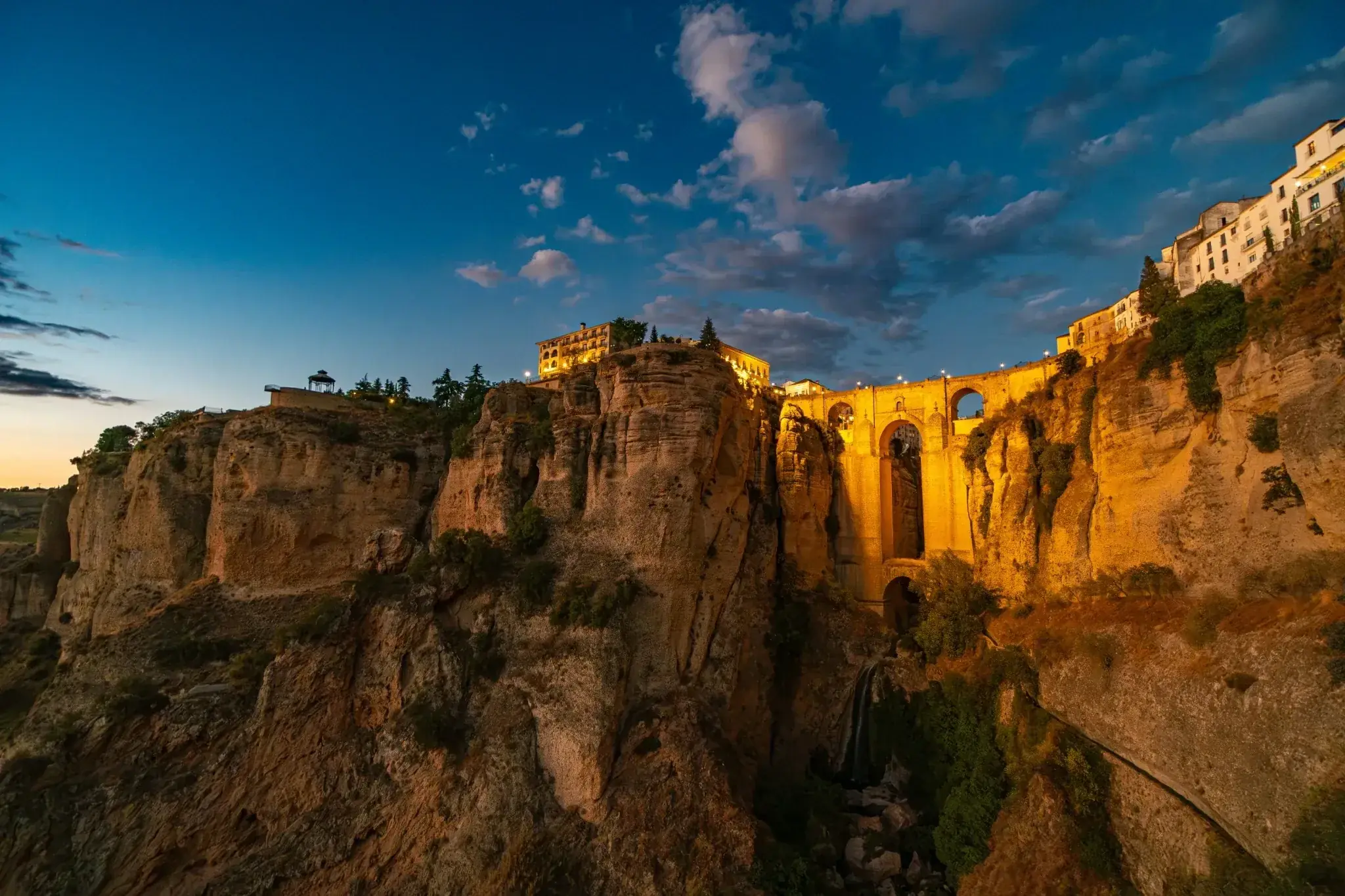 2
Madrid - Cordoba - Seville - Ronda - Malaga - Granada - Toledo - Madrid
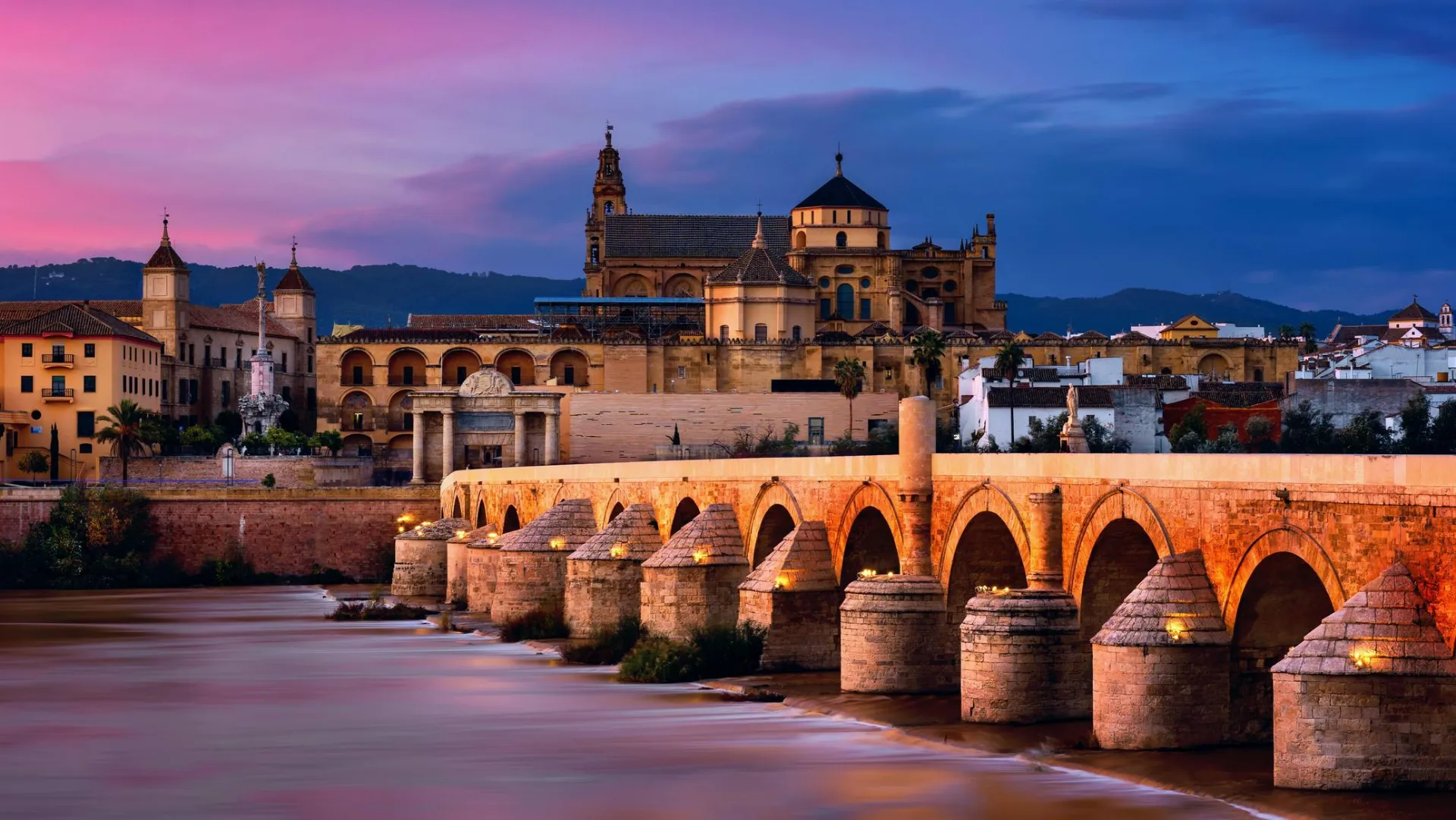 3
Malaga - Granada - Cordoba - Seville - Malaga
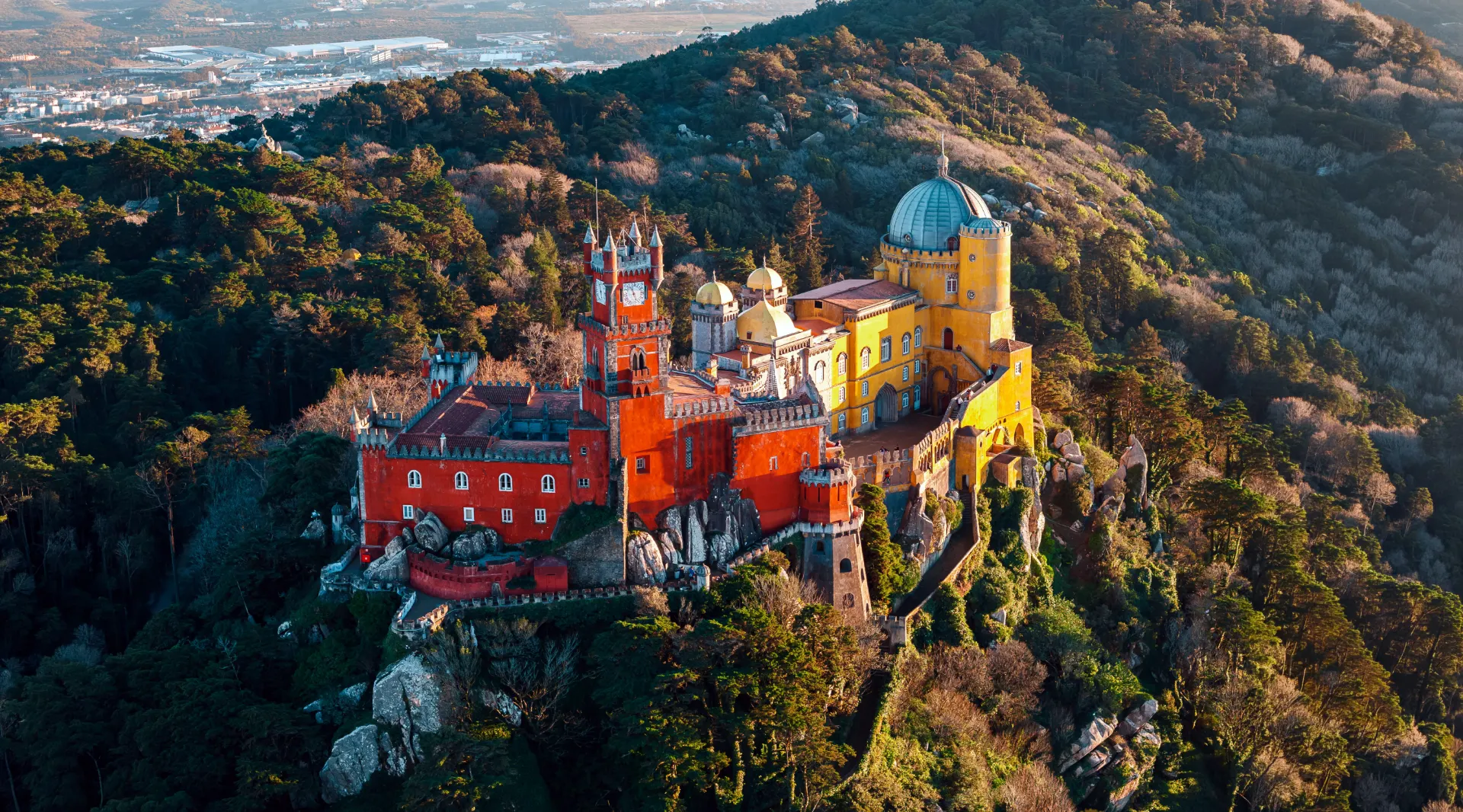 4
Madrid - Toledo - Lisbon - Sintra - Beja - Mertola - Seville - Cordoba - Granada - Madrid
 5
Paris - Brussels - Amsterdam - Cologne - Luxembourg - Colmar - Zurich - Engelberg/Titlis - Lucerne - Lake Como - Milan - Venice - Florence - Rome
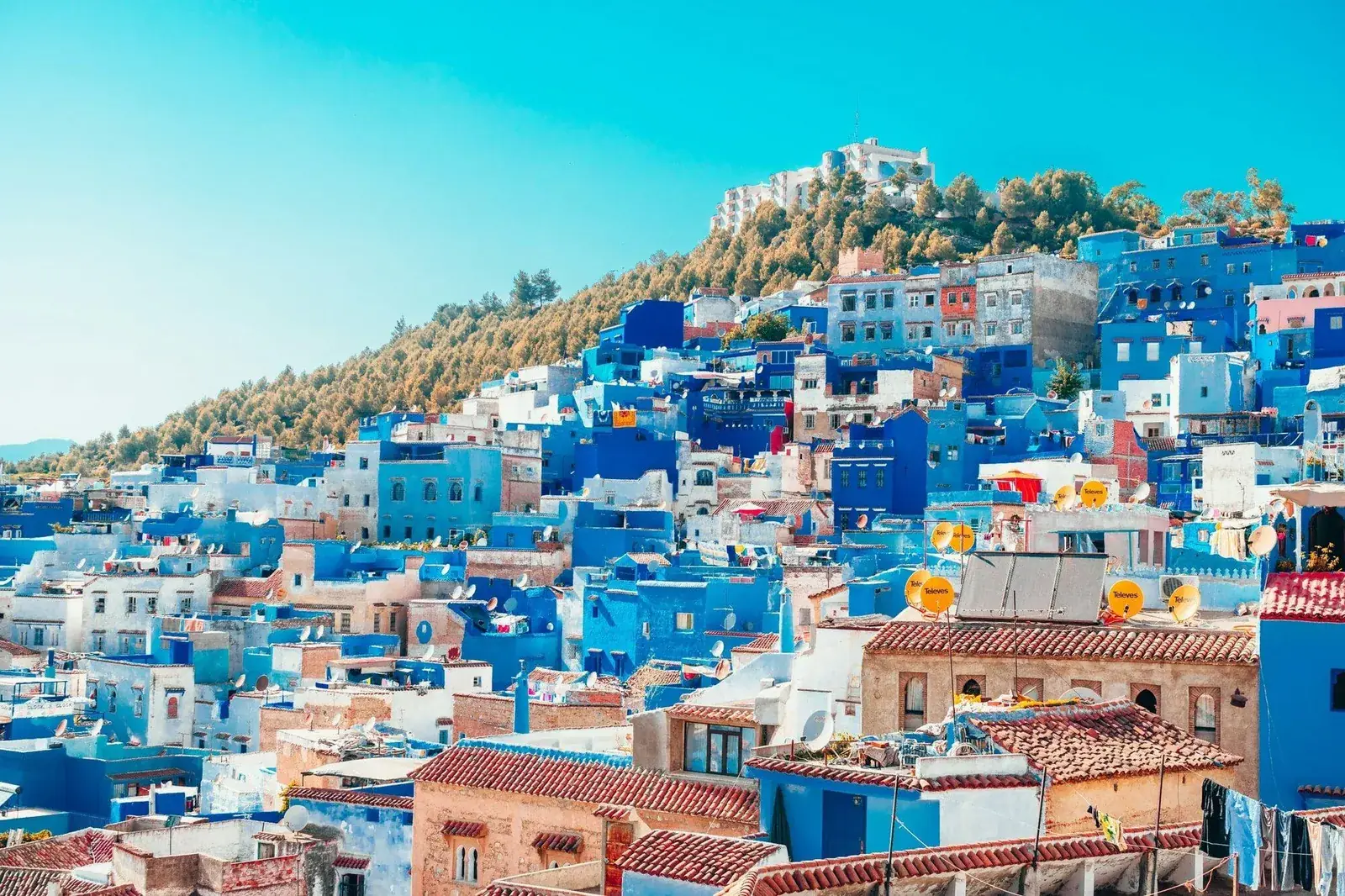 6
Madrid - Toledo - Granada - Cordoba - Seville - Strait Crossing - Tangier - Chefchaouen - Fez - Rabat - Casablanca - Marrakech
 7
Madrid - Trujillo - Caceres - Badajoz - Merida - Seville - Cordoba - Granada - Madrid
 8
Malaga - Ronda - Cadiz - Medina Sidonia - Jerez - Seville - Cordoba - Granada - Alpujarra - Costa Tropical/Malaga
Tell us what you’d love to discover, and we’ll help plan a private trip around your interests and pace.