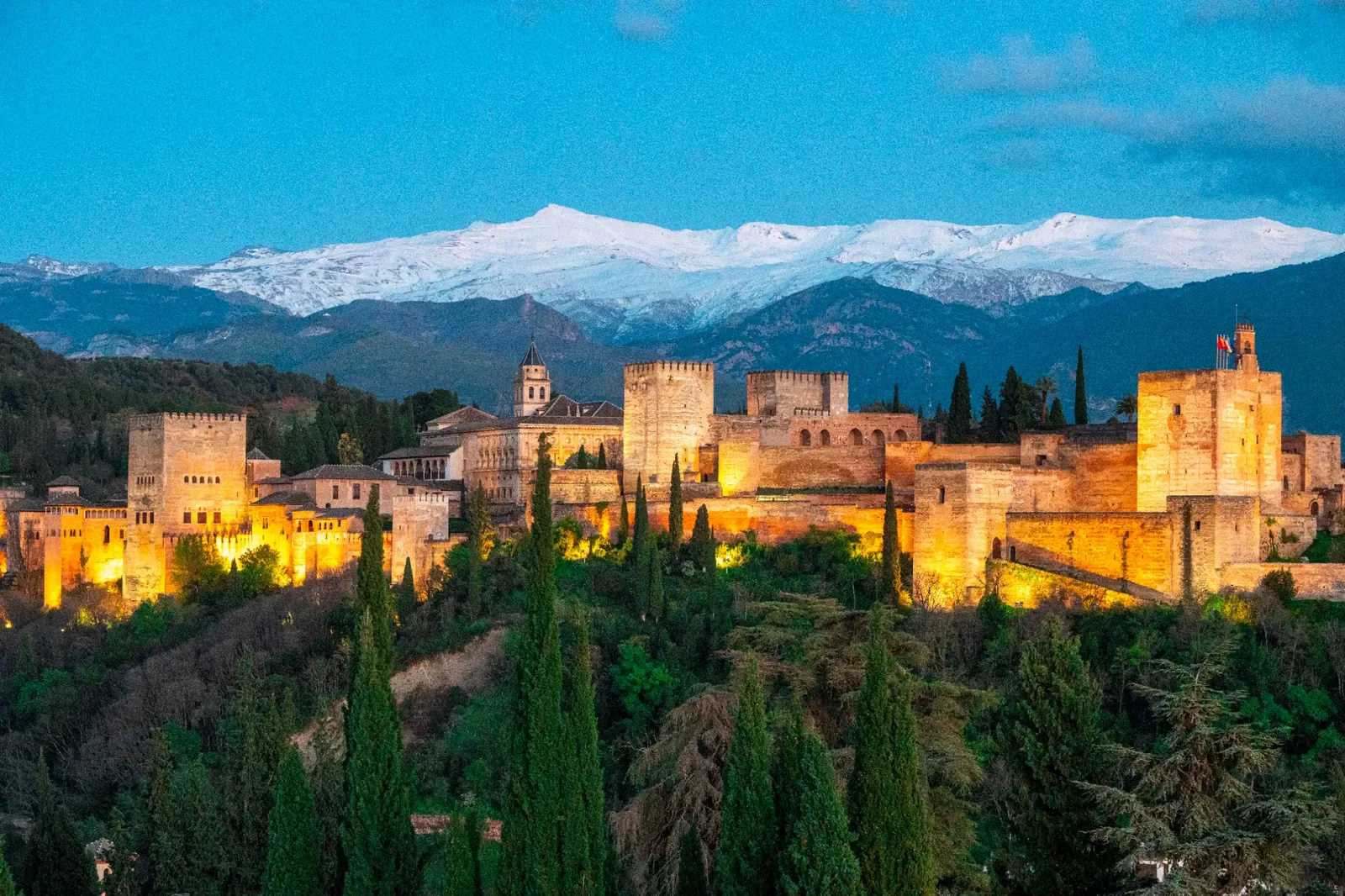
 1
Private tour100% halal
LIVING MAP OF AL-ANDALUS
Barcelona - Zaragoza - Valencia - Murcia - Granada - Seville - Cordoba - Toledo - Madrid

Why Córdoba matters
For centuries, Qurtuba stood at the heart of Muslim Iberia. Under the Umayyads it became the capital of the Caliphate of Córdoba and one of the most sophisticated cities of medieval Europe, associated with scholarship, medicine, philosophy, libraries, craftsmanship and long-distance diplomacy.
The Mosque-Cathedral is the city’s defining monument, but Córdoba’s Andalusi story also lives in the bridge, old streets, former baths, surviving city fabric and the archaeological city of Madinat al-Zahra outside the centre.
Our Córdoba visits connect the monument, the caliphal city and the wider history of Al-Andalus so that the day feels like one coherent story rather than a sequence of disconnected stops.
Islamic heritage
The Mosque-Cathedral preserves the extraordinary scale of Córdoba’s former congregational mosque: the forest of columns, red-and-white arches, mihrab zone and successive Umayyad enlargements reveal how the building evolved as the capital grew. Today it is a Catholic cathedral and a cultural monument, so Muslim visitors should approach it as a historic site rather than plan salah inside.
About eight kilometres west of the city, Madinat al-Zahra was founded by Abd al-Rahman III in the 10th century as a palatial and administrative capital. Its terraces, reception halls, residential areas and museum help explain the political confidence of the Caliphate in a way the old city alone cannot.
Together, the mosque and Madinat al-Zahra show two sides of caliphal Córdoba: the religious and urban heart of Qurtuba, and the ceremonial seat of power created on the edge of the Sierra Morena.
Faith-conscious travel
Córdoba has Muslim prayer spaces including the Mezquita de los Andaluces near the historic centre and the Al-Morabito Mosque in Jardines de Colón. Opening and congregation times can vary, so we confirm practical prayer options around the day’s route rather than assuming access.
The city has a growing selection of halal and Muslim-friendly food. For private journeys we verify suitable restaurants before travel and plan meals around sightseeing and salah, especially for families and groups.
Staying in or near the historic centre makes the Mosque-Cathedral, Roman Bridge and old quarters easy to explore on foot. Private transport becomes especially useful for Madinat al-Zahra and for combining Córdoba with Seville or Granada.
Planning your stay
One full day can cover the essential historic centre and the Mosque-Cathedral, but two days gives Córdoba the time it deserves. A second day allows Madinat al-Zahra, slower exploration of the old city, prayer stops and a more relaxed meal schedule.
Madinat al-Zahra is outside the centre and its complete visit can take several hours, so we normally treat it as a substantial half-day rather than squeezing it between city monuments. Córdoba then connects naturally with Seville to the west and Granada to the southeast for a wider Al-Andalus itinerary.
For a wider western-Andalusia route, continue to Seville and read the Almohad city alongside Córdoba. For the wider regional picture, explore our halal travel guide to Andalusia.
Before you go
Read our field notes on the Great Mosque and the wider history of Al-Andalus before your journey.
1Barcelona - Zaragoza - Valencia - Murcia - Granada - Seville - Cordoba - Toledo - Madrid
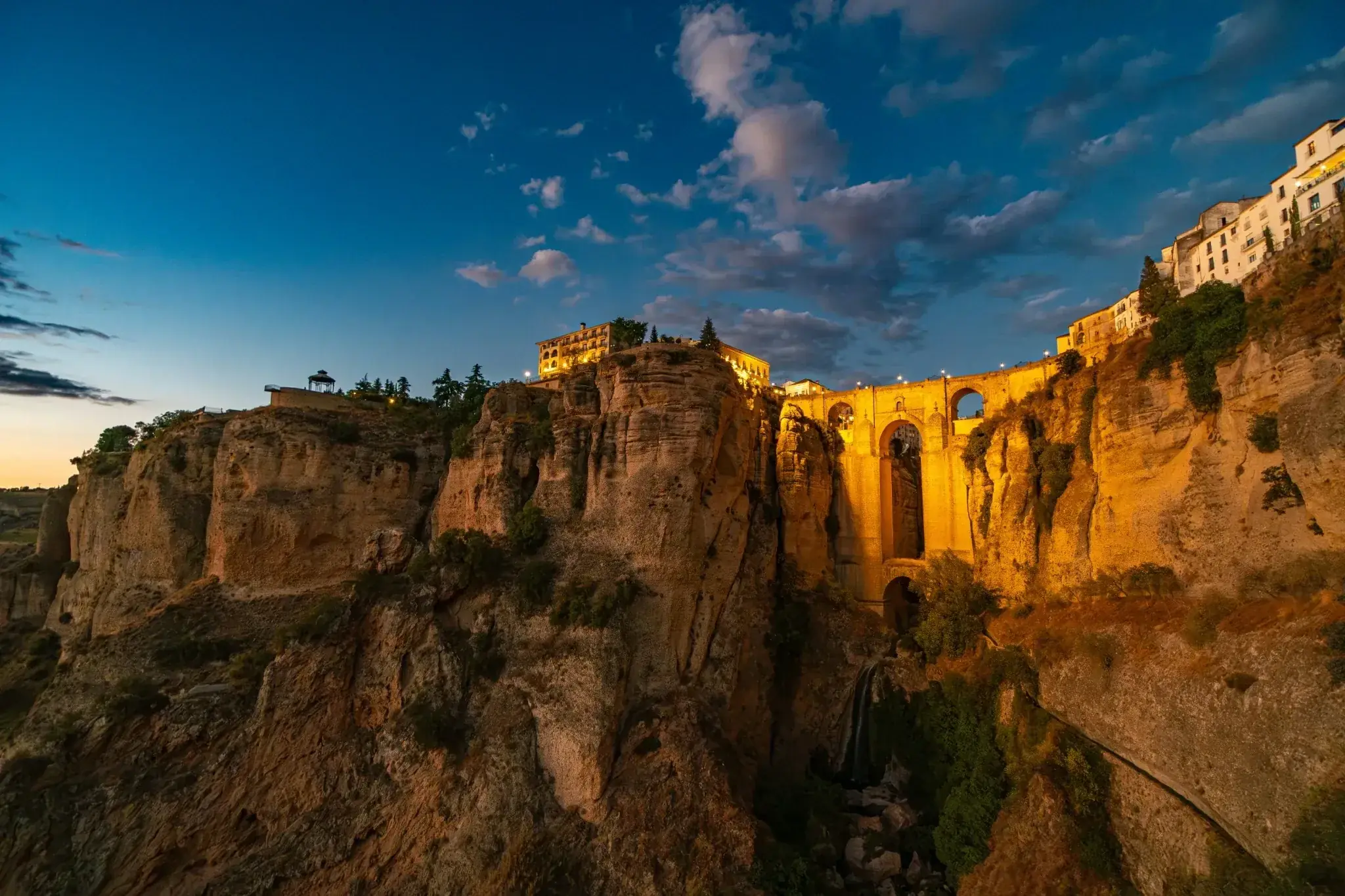 2
Madrid - Cordoba - Seville - Ronda - Malaga - Granada - Toledo - Madrid
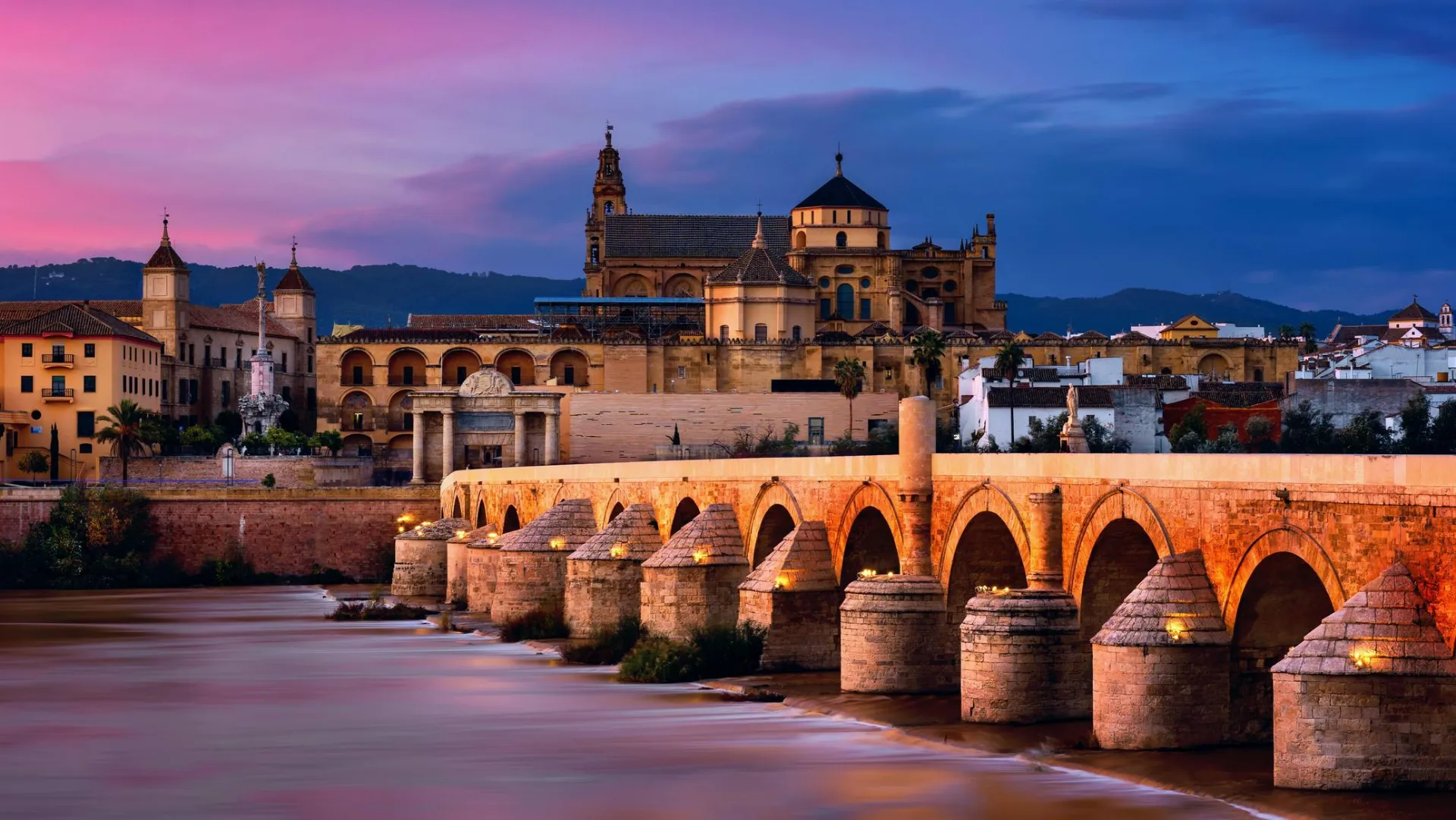 3
Malaga - Granada - Cordoba - Seville - Malaga
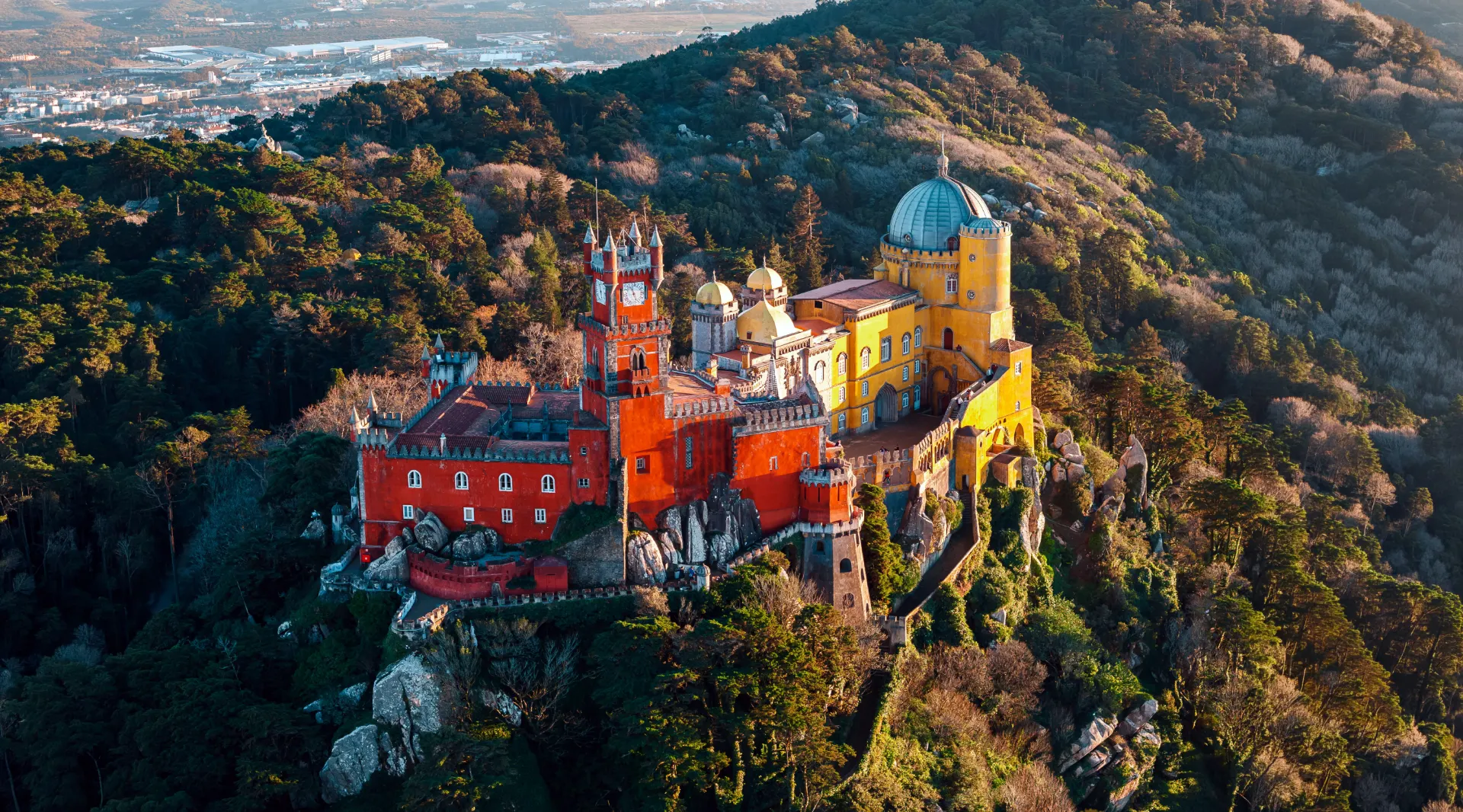 4
Madrid - Toledo - Lisbon - Sintra - Beja - Mertola - Seville - Cordoba - Granada - Madrid
 5
Paris - Brussels - Amsterdam - Cologne - Luxembourg - Colmar - Zurich - Engelberg/Titlis - Lucerne - Lake Como - Milan - Venice - Florence - Rome
 6
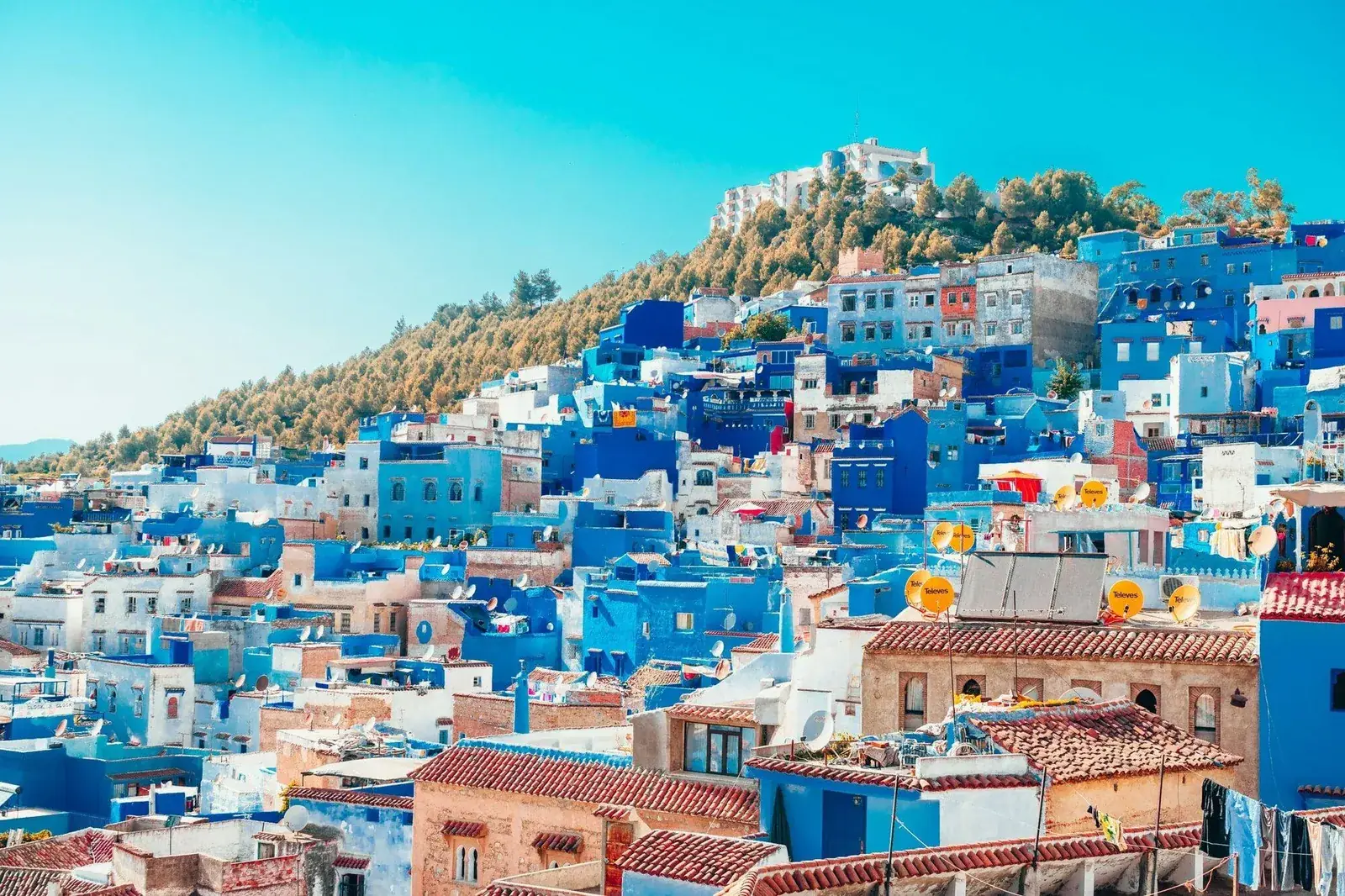
Madrid - Toledo - Granada - Cordoba - Seville - Strait Crossing - Tangier - Chefchaouen - Fez - Rabat - Casablanca - Marrakech
 7
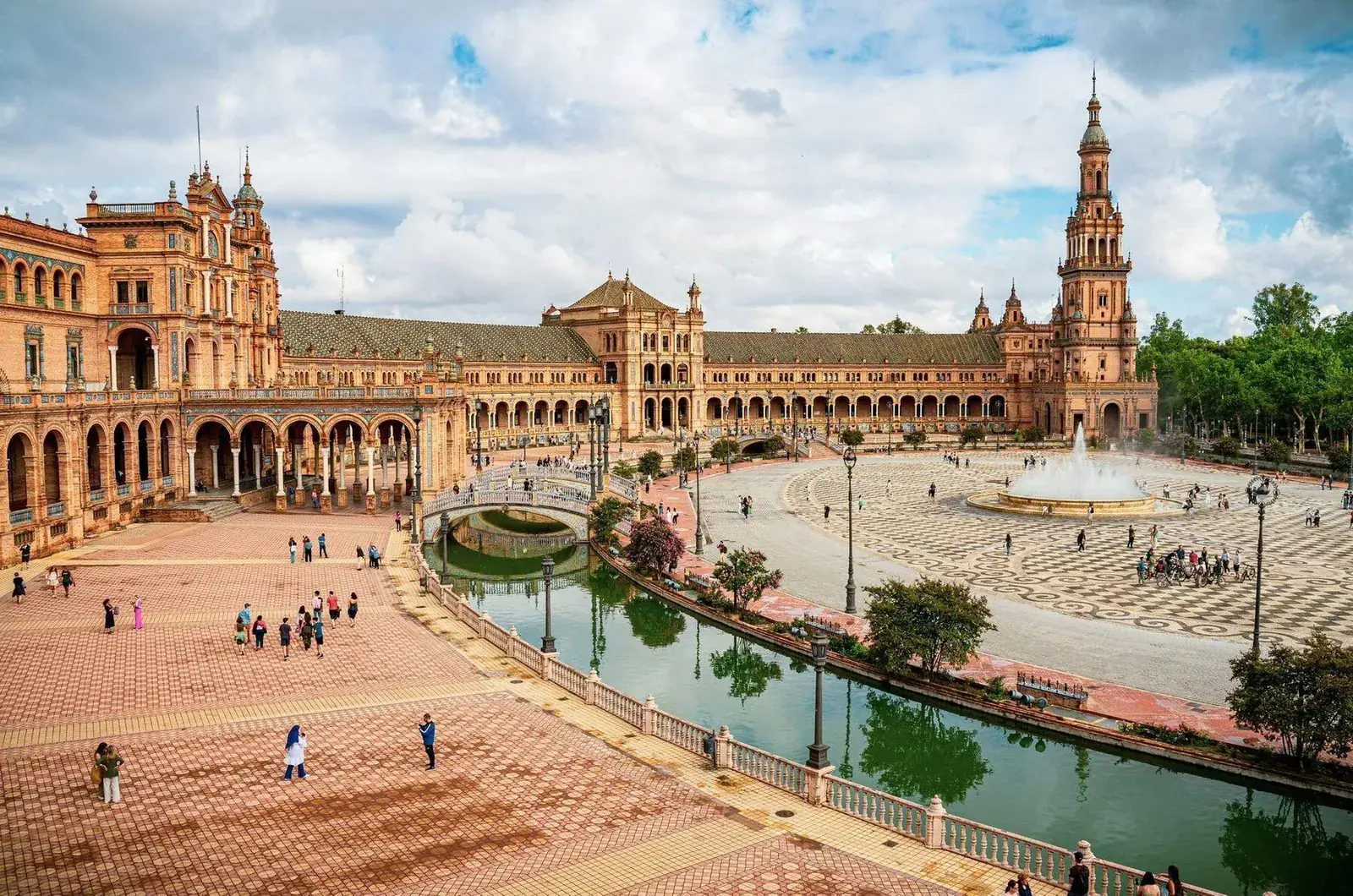
Madrid - Trujillo - Caceres - Badajoz - Merida - Seville - Cordoba - Granada - Madrid
 8
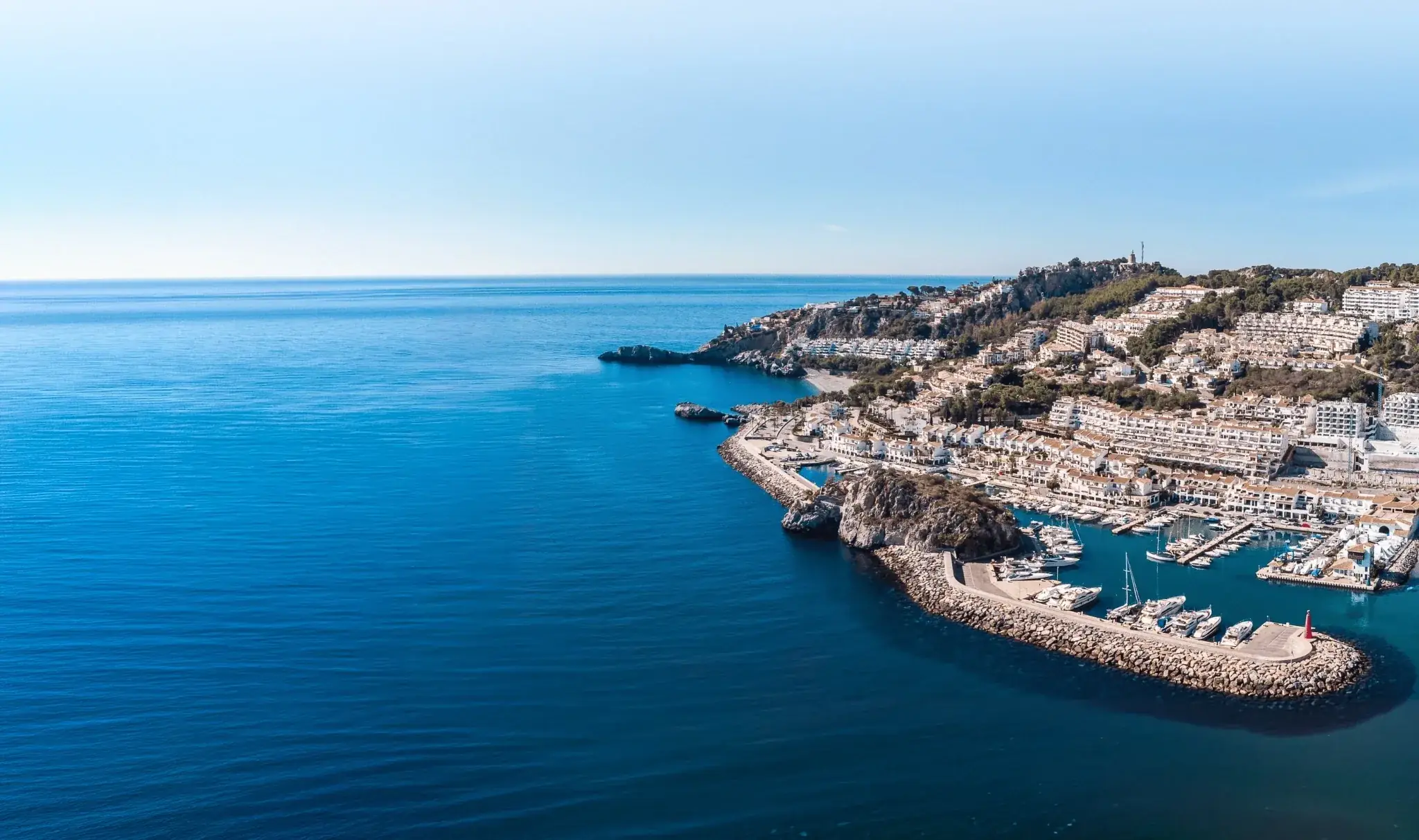
Malaga - Ronda - Cadiz - Medina Sidonia - Jerez - Seville - Cordoba - Granada - Alpujarra - Costa Tropical/Malaga
Tell us what you’d love to discover, and we’ll help plan a private trip around your interests and pace.